The Sri Raghavendra Suprabhatam is the morning wake-up hymn that devotees of Guru Rayaru sing at dawn. They sing it to greet him at his Brindavana at Mantralaya. It belongs to the same devotional family as the famous Venkatesa Suprabhatam. Yet it carries its own flavour, because every line speaks to a saint whom followers believe still lives in his shrine.
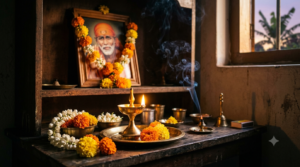
Alongside it sits a second, very different prayer. The Sri Raghavendra Karavalamba Stotram asks the Guru, in every verse, for the steadying support of his hand. This guide explains both hymns in plain English. It clears up the confusion that surrounds them online, and it shows you how to build a simple daily practice.
Many pages simply paste the Sanskrit and stop there. Here you will find the meaning, the story behind each hymn, and the honest difference between the texts people keep mixing up. Faith claims appear as tradition, never as medical fact.
Sri Raghavendra Suprabhatam at a Glance
- What it is: a morning “auspicious dawn” hymn that lovingly wakes Guru Raghavendra for the day’s worship.
- Companion prayer: the Sri Raghavendra Karavalamba Stotram, a hymn of surrender that pleads for the Guru’s helping hand.
- Best time: early morning, at your home altar, and especially on Thursdays, the day linked with Rayaru.
- Language: Sanskrit, though sincere meaning matters more than perfect pronunciation for a beginner.
- Not to be confused with: the 32-verse Sri Raghavendra Stotra beginning “Sri Poornabodha,” which Appanacharya composed.
What Is the Sri Raghavendra Suprabhatam?
The Sri Raghavendra Suprabhatam is a set of Sanskrit verses recited at daybreak. They awaken Guru Raghavendra and invite his blessings for the day ahead. Temple tradition treats deities and revered gurus as living presences. So devotees gently “wake” them each morning with song before the first worship.
Rayaru entered his Brindavana alive in 1671, and followers hold that he is still present. That belief makes this dawn greeting deeply personal. The word suprabhatam simply means “an auspicious dawn,” or a warm “good morning.”
The hymn paints a scene most listeners can picture at once. The sun rises over the Tungabhadra. The temple bell sounds, and priests, scholars and devotees gather to sing. Into that setting, each verse calls on the Guru to rise and bless the world.
Where the Suprabhatam Comes From
Suprabhatam hymns follow a well-loved template. The best known is the Venkatesa Suprabhatam of Tirumala, and later composers shaped similar dawn hymns for many gurus. The Raghavendra version borrows that gentle “awake now” refrain and turns it toward Rayaru.
You can read more about the saint’s life and dates on the encyclopaedic entry for Raghavendra Tirtha.
Because several handwritten and printed versions circulate, wording differs a little between books and recordings. That is normal for devotional literature passed down by voice. So treat minor variations calmly, and follow the version your family or guru uses.
Sri Raghavendra Suprabhatam Meaning, Verse by Verse
The verses of the Sri Raghavendra Suprabhatam move through a clear emotional arc, although the exact count differs slightly by edition. First the hymn addresses the Guru as the son of Timmanna Bhatta. It then asks him to wake for the morning worship of Lord Vishnu.
The hymn calls him a lion among scholars. He is roused not for himself, but to protect his devotees.
Next the hymn honours his learning. Goddess Saraswati is said to rest on his tongue, since she brightens his command of the scriptures. The verses then widen outward.
Brahmins and priests wait with lamps and flowers. The heavens themselves seem to bow, while the poet wishes the Guru a glorious dawn.
A recurring image is the Guru as Kalpavriksha and Kamadhenu. These are the wish-granting tree and the wish-granting cow. Devotees repeat these titles because they capture how Rayaru is loved. This guide gives the sense of each movement rather than the full Sanskrit, since understanding meaning turns recitation into genuine devotion.
Why the Meaning Matters More Than Speed
Many beginners rush the syllables and miss the point. The tradition teaches that a hymn recited with understanding carries far more weight than one raced through by rote. So read an English meaning once, then chant slowly, and let the images settle. When you picture the sunrise and the waiting devotees, the Sri Raghavendra Suprabhatam becomes a real morning greeting.
Sri Raghavendra Karavalamba Stotram: Meaning and Structure
The Sri Raghavendra Karavalamba Stotram is a prayer of surrender. Its mood differs sharply from the dawn hymn. The name holds its heart, because karavalamba means “the support of the hand.” Every verse closes with the plea “Sri Raghavendra, mama dehi karavalambam.” That line means “O Sri Raghavendra, give me the support of your hand.”
Each verse describes a burden, then asks for that steadying hand. The devotee speaks of being scorched by worldly sorrow, worn down by poverty, or tossed about by fear. After naming the trouble, the same refrain returns like a held breath released.
This repeated ending is a classic stotra device, because it makes the hymn easy to memorise and deeply comforting to repeat.
A Common Mix-Up Worth Clearing
Search for “Karavalamba Stotram” online, and most results show a different hymn. They usually show the Lakshmi Narasimha Karavalamba Stotram of Adi Shankaracharya, a 17-verse hymn to Lord Narasimha. That prayer addresses a different deity.
The Raghavendra Karavalamba Stotram uses the same tender refrain, yet it directs it to Guru Rayaru. Because the names overlap, knowing this saves you from chanting the wrong text.
Suprabhatam and Karavalamba Stotram: Which to Chant When
These two hymns serve different needs, so it helps to see them side by side. One greets the Guru at dawn. The other reaches for him in difficulty. Neither replaces the other, and many devotees use both across a single day.
| Feature | Suprabhatam | Karavalamba Stotram |
|---|---|---|
| Mood | Joyful morning greeting | Surrender and appeal for help |
| Best time | Dawn, before worship | Any time of distress or need |
| Refrain idea | “An auspicious dawn to you” | “Give me the support of your hand” |
| Typical use | Daily morning routine | When seeking courage or relief |
In practice, a devotee might sing the Suprabhatam at sunrise. Then, later in the day, they might turn to the Karavalamba Stotram when a worry arises. Both are short, so they fit easily around work and family. The pairing lets you both honour the Guru and lean on him, which is how the tradition frames the bond.
Sri Raghavendra Suprabhatam Benefits and Daily Practice
Devotees chant the Sri Raghavendra Suprabhatam for peace of mind and focus. It gives them a sense of the Guru’s presence at the start of the day. Traditional texts also promise grander results, from removal of obstacles to relief from illness. These are matters of faith and devotional tradition, and this guide presents them as such.
The steadier, real benefit is the shape it gives your morning. A few sung minutes before the day’s rush can calm the mind and set an intention. That habit, repeated daily, is where most chanters feel the value, whatever the scriptural promises.
Important: devotional recitation is a spiritual practice, not a medical treatment. If you or a loved one is unwell, please continue proper medical care and consult a qualified doctor. Chant for faith and comfort, never as a substitute for medicine.
How to Chant the Sri Raghavendra Suprabhatam
You do not need Sanskrit training to begin. A sincere, unhurried recitation counts for more than a flawless one. Follow these simple steps.
- Prepare a clean space. Sit before your home altar or a picture of Rayaru, ideally after a morning bath.
- Light a lamp. A small oil lamp or an agarbatti helps mark the time as sacred, though it stays optional.
- Read the meaning first. Glance through an English translation, so the words carry weight.
- Chant slowly. Sing at a gentle pace, and follow a trusted audio if the tune is new to you.
- Close with the mantra. Many devotees end with “Om Sri Raghavendraya Namaha” a few times, then sit quietly.
Best Time and Days to Recite
Early morning suits the Suprabhatam best, since the hymn is literally a dawn greeting. Thursday carries special weight for Rayaru’s devotees, so many increase their chanting that day. During the annual Aradhana, when Mantralaya fills with pilgrims, recitation naturally rises across homes and mutts. You can check the verified dates and schedule in our Raghavendra Swamy Aradhana 2026 guide.
Clearing Up the Three Texts People Confuse
This is where most online pages slip, so it deserves a plain answer. Three distinct hymns for Rayaru share overlapping names. Readers often assume they are one.
- The Suprabhatam is the morning wake-up hymn described above.
- The Karavalamba Stotram is the surrender hymn with the “give me your hand” refrain.
- The Sri Raghavendra Stotra (“Sri Poornabodha”) is the celebrated 32-verse hymn by Appanacharya. Tradition holds that he completed it as the Guru entered his Brindavana in 1671. It is neither a suprabhatam nor a karavalamba stotram.
Some websites label the Appanacharya stotra as a “suprabhatam.” Others show the Narasimha karavalamba while promising a Raghavendra one. Both are genuine errors. Knowing the three apart means you always chant the text you intended. Learn more about the saint in our life history and miracles of Sri Raghavendra Swamy.
Where to Find Authentic Lyrics and Audio
Because versions vary, source your text carefully. Reputable Madhwa devotional archives publish the Sanskrit with transliteration and meaning. Many temples also share recordings sung by trained vidwans. Prefer sources that show the meaning alongside the words, since that is how the tradition means these hymns to be learned.
For anything connected to Mantralaya bookings, sevas or donations, use only the official mutt portal at srsmatha.org. Beware of look-alike sites, because impersonation and fake portals do circulate. When in doubt, cross-check the exact web address before you enter any details.
Common Mistakes Beginners Make
A few simple habits keep your practice clean. Avoid chasing speed, since racing the verses defeats their purpose. Do not treat the phala-shruti, the promised results, as a magic cure, because that misreads devotional poetry. And never fear that one mispronounced syllable “cancels” your prayer, as sincerity is what the tradition values most.
One more caution helps at festival time. If you plan to recite at Mantralaya during the Aradhana, expect heavy crowds. So plan travel, stay and rest sensibly, especially for elderly family members. Our collection of Rayaru’s miracle accounts adds more devotional context for your visit.
Final Thoughts Before You Begin
The Sri Raghavendra Suprabhatam and the Karavalamba Stotram give devotees two ways to relate to Guru Rayaru. One wakes him with joy at dawn, while the other reaches for his hand in need.
Start small, read the meanings, and chant with an unhurried heart. Do that for a few weeks, and the Sri Raghavendra Suprabhatam will feel less like a text to master. It becomes a daily conversation with a guru whom devotees believe is always listening.
Frequently Asked Questions
What is the Sri Raghavendra Suprabhatam?
It is a Sanskrit morning hymn that “wakes” Guru Raghavendra at dawn for the day’s worship. The Sri Raghavendra Suprabhatam belongs to the suprabhatam genre, like the Venkatesa Suprabhatam. Every verse is sung to Rayaru at his Mantralaya Brindavana.
Is the Suprabhatam the same as the Raghavendra Stotra?
No, they are different hymns. The Sri Raghavendra Stotra beginning “Sri Poornabodha” is a 32-verse hymn by Appanacharya. The Suprabhatam is a separate dawn-greeting composition. Many websites confuse the two.
What does “Karavalamba” mean?
Karavalamba means “the support of the hand.” In the Sri Raghavendra Karavalamba Stotram, each verse ends by asking the Guru for that steadying support during life’s difficulties. It is a prayer of surrender.
When should I chant the Sri Raghavendra Suprabhatam?
Early morning is ideal, because the hymn is a dawn greeting. Thursdays hold special meaning for Rayaru’s devotees, so many chant more that day. Recitation also rises during the annual Aradhana at Mantralaya.
Do I need to know Sanskrit to recite it?
No. A slow, sincere recitation following a trusted audio is enough for a beginner. Reading an English meaning first helps the words carry devotion. The tradition values that sincerity more than flawless pronunciation.
Can chanting cure illness?
Traditional texts describe grand results, yet these are matters of faith, not medical fact. Chant for comfort and devotion. Always continue proper medical care and consult a doctor when unwell.
Is srsmatha.org.in the official Mantralaya website?
No. This is an independent devotional guide, and it is not affiliated with the official Sri Raghavendra Swamy Mutt. For sevas, room bookings and donations, use only the official portal at srsmatha.org.
Where can I find reliable lyrics for these hymns?
Use established Madhwa devotional archives that publish the Sanskrit with transliteration and meaning. Temple recordings by trained singers also help. Prefer sources that show the meaning beside the words, since several slightly different versions exist.
srsmatha.org.in is an independent devotional guide created for the benefit of Sri Raghavendra Swamy pilgrims. We are not the official Sri Raghavendra Swamy Mutt, and we accept no bookings, sevas or donations. For all official services, please use srsmatha.org.