Sri Raghavendra Kavacha and Dandaka: Meaning & Significance
Raghavendra Kavacha and Dandaka explained through Sanskrit texts and Matha sources, with chanting guidance and corrections to disputed historical stories.

Raghavendra Kavacha and Dandaka explained through Sanskrit texts and Matha sources, with chanting guidance and corrections to disputed historical stories.
Raghavendra Moola Mantra explained from Sanskrit: learn why the core has eight syllables, how Om changes the count, and whether 108 japa is required daily.
Read the Poojyaya Raghavendraya mantra in Devanagari and IAST, with a simple word-by-word meaning, pronunciation, and careful notes on textual variants.
Raghavendra Mangalashtaka meaning explained through eight verses, the closing stanza, a cited Sanskrit edition and an identified recitation recording.
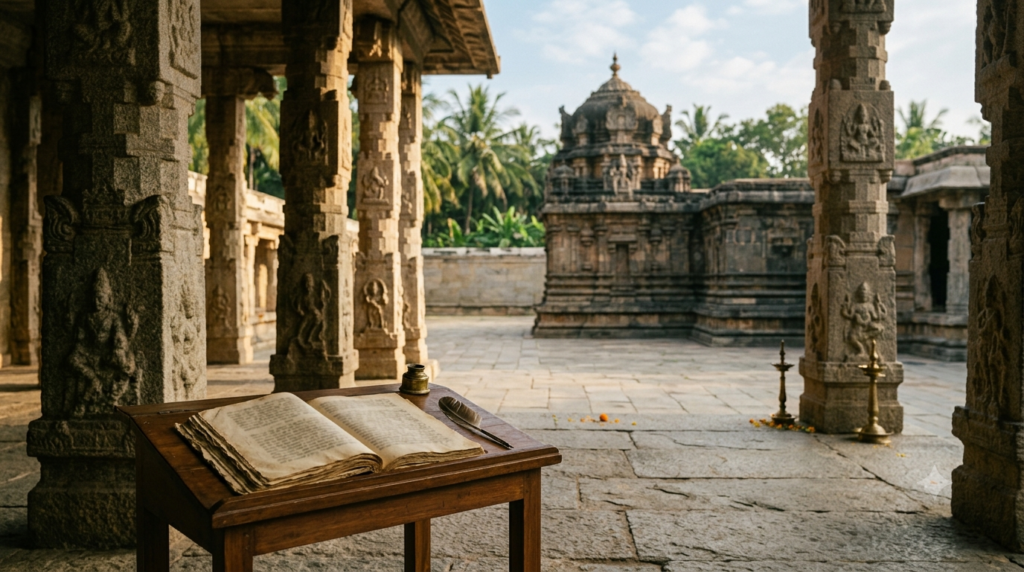
Thomas Munro Raghavendra Swamy appears in the Bellary Gazetteer as recorded tradition, with the corrected Madras Review Vol. VIII, p. 280 citation—not an order.
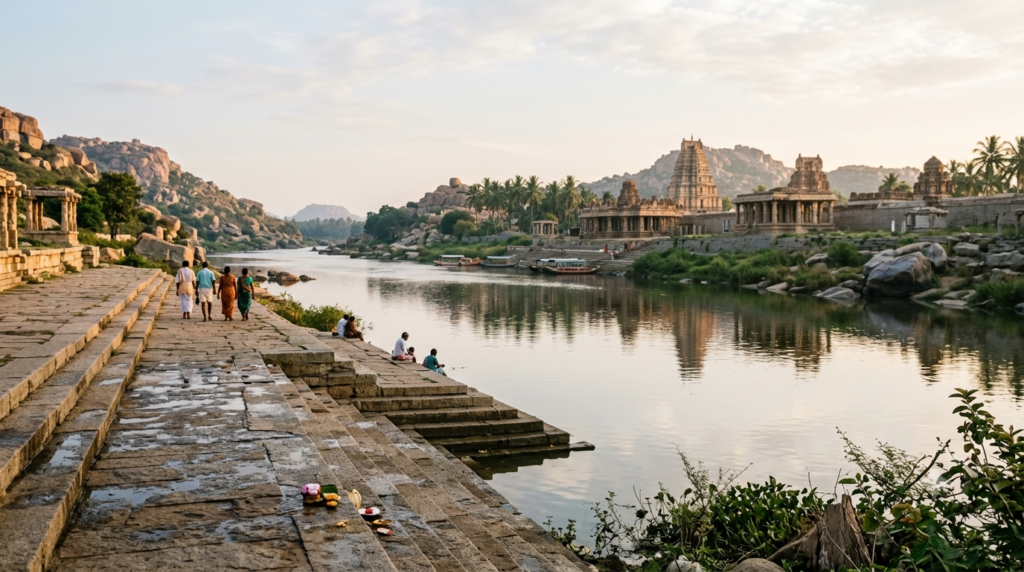
Places to visit near Mantralaya include nearby Matha shrines, Panchamukhi, Bichali and longer heritage trips. Compare official distances and plan safely.

Hyderabad to Mantralaya travel guide covering trains, state buses, route choices, station transfers, fare checks and practical overnight plans for pilgrims.
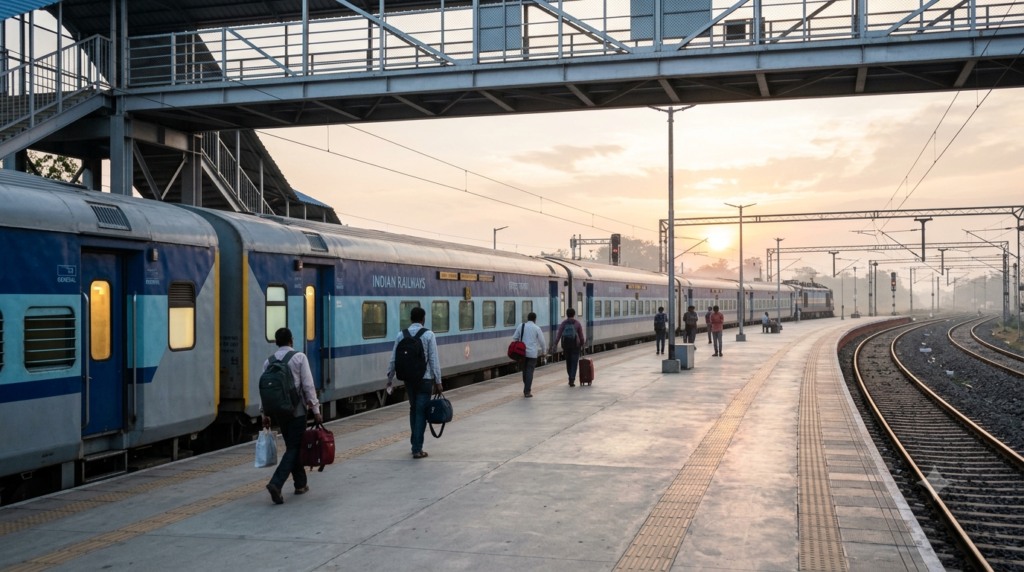
Bangalore to Mantralayam: train, bus and car choices, the MALM railway transfer, town bus stand drop-offs, live fares and practical planning tips for pilgrims.
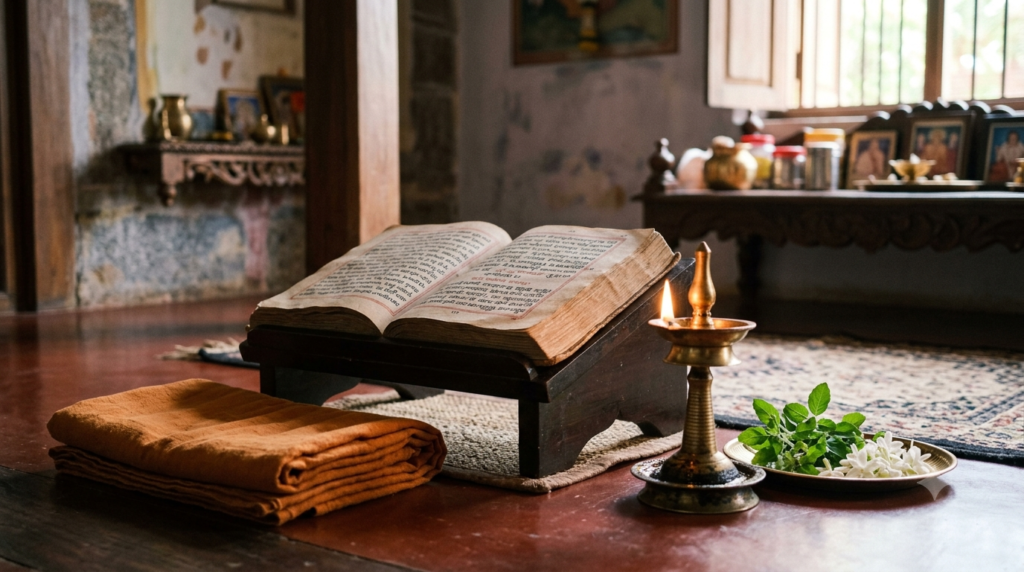
Raghavendra Ashtottara Shatanamavali explained through a named Sanskrit text, 108 numbered salutations, concise meanings and clear authorship and count notes.
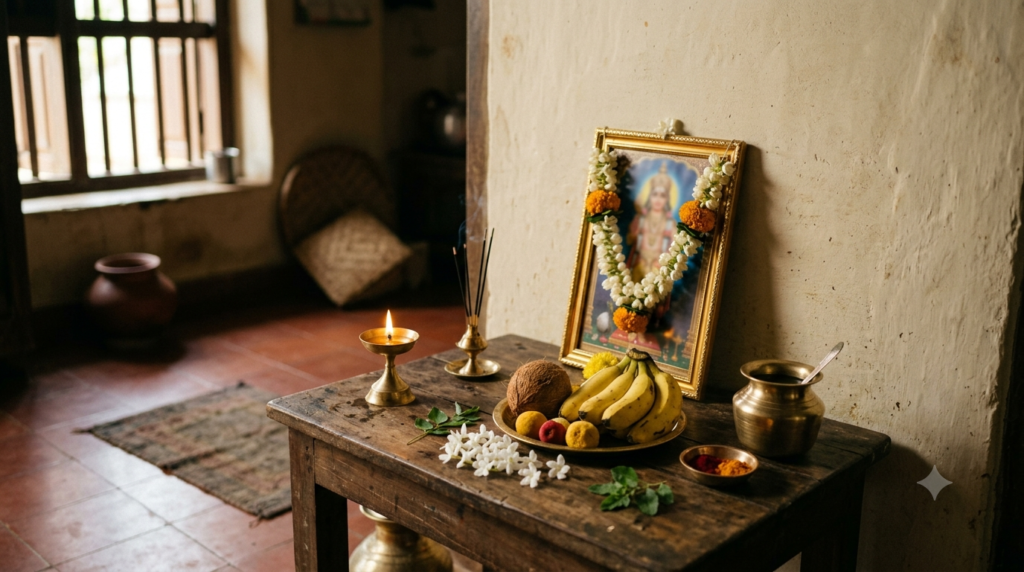
Raghavendra Swamy home pooja can be a simple personal practice with a lamp, prayer, and optional offerings. See reliable texts, steps, and common myths.